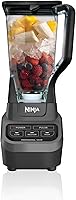
Ninja BL610 Professional Blender Review: Worth It? (October 2026)
The Ninja BL610 suits households making shared batches of smoothies and frozen drinks with manual controls. Choose the BN701 for preset cycles or the BL660 for blending directly into personal cups.
On this page (8 sections)
- What does the Ninja BL610 offer?
- How well does the BL610 fit family smoothies and frozen drinks?
- What are the BL610’s main trade-offs?
- How does the Ninja BL610 compare with similar Ninja blenders?
- How should you set up the BL610 before the first blend?
- Which blending mistakes should you avoid?
- Is the BL610 easy to clean and store?
- Should you buy the Ninja BL610?
The Ninja BL610 is a good fit for shared smoothies and frozen drinks if you want a full-size pitcher and direct control over blending. Choose it for a household batch routine, especially when everyone drinks the same recipe.
Its main buying question is convenience: do you want to manage the blend, press a preset button, or blend straight into a cup? The BL610 covers the first job, while the BN701 and BL660 serve the other two.
What does the Ninja BL610 offer?
The BL610 gives you a 1000 watt motor, four manual speeds and a 72 oz pitcher, with a 64 oz maximum liquid capacity. Its Total Crushing blade system is designed for ice, frozen fruit, whole fruits and vegetables.
Ninja Professional Blender BL610: Best for family drink batches

- 1000 watts
- 72 oz pitcher
- 64 oz max liquid capacity
- 4 speeds
Choose this pitcher blender for shared smoothies and frozen drinks when you want to manage the blend yourself. It includes a recipe guide but no personal cups.
Pros
- Large pitcher for shared batches
- Total Crushing blades designed for ice and frozen ingredients
- BPA-free pitcher is top-rack dishwasher safe
- Manual push-button controls
Cons
- No preset programs
- No personal blending cups included
The box includes the motor base, pitcher with lid and a recipe guide. This is a pitcher-focused setup, so plan to pour finished drinks into your own glasses or travel cups.
Manual controls suit cooks who watch the mixture and adjust as they go. You decide when a smoothie is ready or when a sauce has reached the texture you want.
Who should choose the Ninja BL610?
Choose the BL610 if you often make several servings of the same drink. A shared breakfast smoothie or a batch of frozen drinks gives its large pitcher a clear purpose.
It also makes sense if you prefer choosing a speed yourself instead of following a preset cycle. Keep a few successful recipes with measured amounts so you can repeat them without guessing each morning.
Skip it if nearly every blend is one small serving or each person wants different ingredients. Separate recipes mean separate batches and cleanup, which reduces the value of a family-size pitcher.
For one-button cycles, the Ninja BN701 review explains the alternative with Auto-iQ programs.
How well does the BL610 fit family smoothies and frozen drinks?
The BL610 fits shared drink recipes better than individual custom orders. Start by counting the servings you actually make together, rather than choosing the largest pitcher you can find.
For example, a household that shares a fruit smoothie can blend one recipe and divide it among glasses. If one person wants a banana shake and another wants a berry drink, a cup-based setup may fit the routine better.
The liquid limit matters more than the headline pitcher size when planning servings. Leave room for ingredients to circulate, and follow the manual's loading limits for the whole recipe.
Ninja says the Total Crushing system crushes ice into snow. That makes frozen drinks a central use, but the recipe still controls how thick, sweet or diluted the finished drink becomes.
For fruit smoothies, use liquid and frozen ingredients in a balance that lets the mixture move. Adding more ice thickens a drink at first, but it also adds water as it melts.
Don't use a large load of ice to compensate for too little fruit or flavor. Start with a measured recipe, then change one ingredient at a time.
If your main concern is choosing between pitcher and personal formats, our guide to the best blenders for smoothies covers different serving routines.
What are the BL610’s main trade-offs?
The BL610's main trade-off is manual operation without included personal cups. Buy it because those limits fit your routine, rather than expecting to turn it into a different kind of blender later.
Manual operation requires you to stay with the appliance, watch the mixture and stop at the right point. That is useful for adjusting texture, but less convenient if you want a programmed sequence.
A large pitcher also creates a washing task even when you make only a little food. Small portions of dressing or dip can be awkward to scrape out, so think about your usual recipe size before choosing a full-size model.
For sauces, distinguish blending from food preparation that needs even pieces. A blender can puree ingredients, but it does not replace the control of a knife for neatly diced vegetables.
Don't choose this model solely because its motor sounds powerful enough for every kitchen task. Watts are one part of the decision; container size, controls and the recipe matter too.
Our guide to blender wattage explains how to use power figures without letting them outweigh the features you need.
How does the Ninja BL610 compare with similar Ninja blenders?
Choose among these models by presets, personal cups and manual controls. All four have the same stated pitcher size and maximum liquid capacity, so capacity does not separate them.
| Model | Motor | Controls or extras | Best fit |
|---|---|---|---|
| Ninja Professional Blender BL610 | 1000 watts | 4 manual speeds | Shared batches with direct control |
| Ninja Professional Plus BN701 | 1400 peak watts | 3 Auto-iQ programs | Guided blending cycles |
| Ninja Blender Pro+ BL660 | 1100 watts | 3 speeds, pulse, single-serve function and two 16 oz cups | Family batches and individual drinks |
| Ninja UltraCrush BP201 | 1000 watts | Low, High and Max speeds | A short set of manual choices |
The BN701's power figure is stated in peak watts. Don't read these numbers as a measured comparison of finished smoothie texture; choose first by the workflow each model provides.
Choose the BN701 for programmed cycles
The BN701 suits people who want a set sequence of pulsing, blending and pauses. Its three Auto-iQ programs reduce the number of timing choices you make during a blend.
Skip it if you prefer adjusting every recipe manually or need personal cups in the box. Presets also don't replace correct ingredient amounts or the need to stay nearby during operation.
Choose the BL660 for mixed household routines
The BL660 suits a household that makes shared drinks on some days and individual smoothies on others. Its two 16 oz cups, spout lids and dedicated single-serve function support that split routine.
The cups are especially useful when people want different recipes. You can blend directly in a cup instead of making a small batch in the pitcher and transferring it.
Skip it if you will rarely use the cups. The extra lids and separate blade assembly need washing, drying and storage, so they should solve a regular need.
Choose the BP201 for fewer manual choices
The BP201 suits shoppers who want Low, High and Max controls for a pitcher-based routine. It is another option for shared smoothies, sauces and frozen drinks without automated programs.
Skip it if you are looking for a clear change in how you blend compared with the BL610. It does not add personal cups or programmed cycles, so the control layout is the main reason to consider it here.
See our guide to Ninja blender models for help sorting the names. If you are also considering other brands or container styles, our complete blender guide gives you a wider comparison.
How should you set up the BL610 before the first blend?
Set the BL610 on a stable, dry counter with room to work, then follow its manual for assembly and ingredient order. Wash the food-contact parts as directed before preparing your first recipe.
Keep the cord clear of the sink and places where someone could catch it. Make sure you can reach the controls without leaning across the pitcher.
Check that the pitcher and lid are secured before starting. If the blender will not run, switch it off and check assembly rather than repeatedly pressing buttons or forcing a part into place.
Begin with a simple drink from the included recipe guide. A measured recipe gives you a useful starting point for changing sweetness, thickness or serving size later.
Prepare ingredients before adding them. Remove pits, cores and tough peels where needed, and cut large pieces to the size allowed by the manual.
If you need to scrape or rearrange a mixture, stop and unplug the blender first. Never push food down with a spoon while the blades are moving.
Which blending mistakes should you avoid?
Avoid overfilling, overly dry mixtures and repeated running without checking the food. These mistakes make it harder for ingredients to circulate and can leave you chasing texture with longer blending.
Packing in too much frozen food
A pitcher full of tightly packed frozen fruit leaves little room for movement. Use an approved recipe and loading amount instead of pressing ingredients down to fit more.
If the mixture stops moving, stop the appliance before adjusting it. Add liquid or reduce the batch only as the recipe and manual allow.
Adding liquid without measuring
Pouring in liquid until a stalled blend moves can turn a thick smoothie into a thin drink. Start with measured amounts, then make small changes and note what worked.
For shared batches, scale the whole recipe rather than doubling only the fruit. Keep the total load within the blender's limits.
Expecting longer blending to fix every texture
More blending cannot correct every recipe problem. Tough stems, large pieces and an unsuitable ingredient balance may need preparation changes instead.
Inspect the mixture safely between runs if the texture is uneven. Don't continue running a struggling blender; follow the manual's operating and cooling directions.
Treating soup like a cold smoothie
Don't pour hot soup into the pitcher on the strength of its size or motor power. Follow the model's temperature restrictions, and use equipment approved for hot liquids when that is the job you need.
Is the BL610 easy to clean and store?
The BL610 has a BPA-free, top-rack dishwasher-safe pitcher, but you should check separate care directions for the other parts. It measures 10.71 in deep, 8.27 in wide and 15.94 in high.
Measure the intended counter space, including room to remove the lid and lift the pitcher. A blender that fits beneath a cabinet may still need to move forward before you can use it.
Its 7.1 lb weight matters if you plan to put it away after every blend. Choose a storage spot that lets you lift it without reaching over other appliances.
Rinse food residue promptly so smoothie ingredients and sauces do not dry onto the container. Unplug the base before cleaning, and wipe it without immersing it in water.
Handle sharp blade parts carefully and use a suitable brush instead of reaching around them. Don't leave loose blades hidden in cloudy dishwater.
Let washed parts dry fully before reassembly and storage. Our guide to cleaning a Ninja blender covers a practical care routine.
Should you buy the Ninja BL610?
Buy the Ninja BL610 for shared drink batches when manual control suits your day. Before ordering, confirm that the pitcher fits your counter and that you will regularly make enough food or drink to justify it.
Choose the BN701 if programmed cycles solve your main frustration. Choose the BL660 if individual recipes and portable drinks are a regular part of the week.
Consider the BP201 if its simpler set of named speeds appeals to you, but don't expect it to add the cup-based convenience or automation of those other alternatives.
If you're still deciding whether this brand fits your needs, read Are Ninja blenders good?. Then use our best Ninja blender guide to narrow the choice around the way your household actually blends.
Frequently asked questions
How big is the Ninja BL610 pitcher?
The Ninja BL610 has a 72 oz pitcher with a 64 oz maximum liquid capacity; use the marked liquid limit when planning a batch, and follow the manual for solid ingredients and loading amounts. The larger pitcher size does not mean you can fill it with 72 oz of liquid.
Can the Ninja BL610 crush ice?
Yes, the BL610 is designed for ice crushing with its Total Crushing blades; Ninja says the system turns ice into snow for frozen drinks. Follow the manual for batch size and operation, and avoid packing the pitcher so tightly with frozen ingredients that the mixture cannot move.
Does the Ninja BL610 have preset programs?
No, the BL610 uses manual push-button controls with four speeds rather than preset programs; you choose the setting and decide when to stop. The BN701 is the alternative here for automated cycles, with three Auto-iQ programs that combine timed pulsing, blending and pauses for a more guided routine.
Are the Ninja BL610 parts dishwasher safe?
The BL610 pitcher is BPA-free and top-rack dishwasher safe; check the manual for separate care directions for the lid and blade assembly, and keep the motor base out of the dishwasher. Unplug the appliance before taking it apart, and use a brush rather than reaching toward sharp blades.