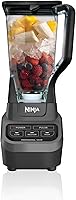
Ninja Blender Models Explained: Which Is Which?
Choose Ninja blender models by the containers you need and how you want to control blending. Pick the BN701 for presets, BL610 for manual pitcher blending, BL660 for personal cups, or BL770 for food processing.
On this page (7 sections)
- How do these Ninja blender models compare?
- Which Ninja blender models are in this guide?
- How should you choose between a pitcher, cups, and a processor?
- How do you set up these Ninja blenders for the first blend?
- Which common mistakes should you avoid?
- How should you clean and store the parts?
- Which Ninja blender model should you choose?
Ninja blender models are easiest to choose by containers first, controls second. Pick the BN701 for preset pitcher blending, the BL610 for manual pitcher blending, the BL660 for individual drinks as well as batches, or the BL770 for drinks and food prep.
Start with the recipes you make each week. A processor bowl helps with chopping and dough, while personal cups make more sense when household members want different drinks.
How do these Ninja blender models compare?
These four models share a full-size pitcher but differ in controls and attachments. Use the table to narrow your choices before comparing motor specifications.
| Model | Motor specification | Controls or functions | Included containers |
|---|---|---|---|
| BN701 | 1400 peak watts | 3 Auto-iQ programs | 72-ounce pitcher |
| BL610 | 1000 watts | Manual push-button controls | 72-ounce pitcher |
| BL660 | 1100 watts | 3 manual speeds, pulse, single-serve | 72-ounce pitcher and two 16-ounce personal cups |
| BL770 | 1500 watts | Blend, Mix, Crush, Single-Serve | 72-ounce pitcher, two 16-ounce personal cups, 8-cup processor bowl |
Each pitcher has a 64-ounce maximum liquid capacity. The larger pitcher number is not permission to fill past that mark.
Peak watts and other wattage figures are not a measured ranking of blend quality. For more context, read what blender wattage you need and focus on the tools your recipes require.
For a wider look at Ninja's full-size and personal options, see our guide to Ninja blenders. If you're comparing brands and sizes too, start with the complete blender guide.
Which Ninja blender models are in this guide?
The BN701 and BL610 suit pitcher-focused kitchens, while the BL660 and BL770 add smaller blending containers. The BL770 also supplies separate food processing tools.
BN701: the Ninja blender model for preset batches
Choose the BN701 if you make shared batches of smoothies or frozen drinks and prefer a programmed blending cycle. Auto-iQ combines timed pulsing, blending, and pauses, so you don't need to manage that sequence yourself.
The programs are the main reason to choose it over the BL610. A preset handles the blending pattern, but you still need to measure ingredients, secure the lid, and follow the recipe.
Skip the BN701 if direct-to-cup blending is part of your morning routine. This package centers on the pitcher, so an individual drink still needs to be poured into another container.
It also makes little sense to choose this model for vegetable chopping or dough preparation. The BL770 provides dedicated tools for those jobs.
BL610: the manual pitcher option
Choose the BL610 if you want to watch the mixture and control when blending stops. That approach suits cooks who adjust texture as they go rather than selecting a preset.
Its Total Crushing blades are designed for ice and frozen drinks. Manual controls let you stop to check consistency, though ingredient balance and batch size still matter.
Skip the BL610 if you specifically want preset cycles or personal cups. Choose it because manual pitcher blending fits your routine, rather than treating it as a smaller version of a kitchen system.
For a closer comparison of these pitcher models, read the Ninja Professional Plus BN701 review and the Ninja BL610 review.
BL660: the choice for shared and individual drinks
Choose the BL660 when some days call for a household batch and others call for one person's shake. Blending directly in a cup avoids transferring a small drink from the large pitcher.
This setup also suits people who want different ingredients. One person can make a fruit smoothie while another prepares a separate shake, without agreeing on a shared recipe.
The pitcher uses a stacked blade assembly, while the cups use the included Pro Extractor Blades assembly. Keep each assembly with its matching container and follow the instructions for fitting it.
Skip the BL660 if you need food processing tools, or if you rarely blend more than one personal drink. For the latter routine, compare the best personal blenders before committing storage space to a full-size pitcher.
BL770: the option for drinks and food prep
Choose the BL770 if chopping vegetables, mixing, and preparing dough are regular jobs alongside blending drinks. Its processor bowl gives those tasks a separate workspace from the pitcher.
Use the chopping blade for the appropriate food prep recipes and the dough blade for dough. Ninja says the dough blade can mix up to 2 pounds of dough in 30 seconds.
Skip the BL770 if smoothies are your only planned use. The extra bowl, lids, and blades need storage and cleaning even though they add no benefit to a pitcher-only routine.
Before buying, name two processor tasks you'll actually do each week. If you can't, the BL660 offers pitcher-and-cup blending with fewer attachments.
Our guide to blender and food processor combos covers more combined options.
How should you choose between a pitcher, cups, and a processor?
Match the container to your usual portion and texture. Shared drinks favor a pitcher, separate drinks favor cups, and chopped food calls for a processor.
For a family smoothie, a pitcher lets you make one recipe and divide it. For one person's drink, a cup avoids washing a large container and gives that person control over the ingredients.
Check that your normal recipe fits below the cup's fill line, with room for all its ingredients. A personal cup is less useful if your usual drink requires multiple batches.
A processor is the better tool when you want pieces of vegetables rather than a pourable blend. Short pulses give you chances to inspect the chop before the mixture becomes too fine.
Also plan where the attachments will dry and live between uses. A system that fits on the counter can still be awkward if its spare containers occupy your main prep area.
Read how to choose a blender if you're weighing these setups against other blender types.
How do you set up these Ninja blenders for the first blend?
Wash the food-contact parts, identify the matching blades, and read the assembly steps before starting. Set the base on a stable, dry counter with room to fit and remove the container.
With the base unplugged, assemble the container and blade parts as instructed for that model. Secure the lid and container before connecting power.
Start with a recipe written for the container you're using. Pitcher and personal-cup loading instructions can differ because the containers operate in different positions.
Respect every fill line, including when adding frozen fruit and ice. If the mixture stops moving, stop the motor and follow the instructions for adjusting the batch rather than running it continuously.
Never reach into an attached container to move ingredients. Disconnect power before opening it or working near the blades.
Which common mistakes should you avoid?
Avoid choosing by wattage alone, overfilling containers, and expecting one blade assembly to do every job. These mistakes can make a suitable blender feel poorly matched to your routine.
Too much frozen fruit with too little liquid can leave a mixture unable to circulate. Follow the recipe's proportions, then stop and adjust if ingredients remain stuck above the blades.
Running a chopping job for too long can turn distinct pieces into a finer mixture than you wanted. Work in short bursts and check the texture between them.
Don't assume a powerful motor makes a container suitable for hot liquids. Check the model's temperature restrictions before adding anything warm, and read whether you can blend hot soup in a Ninja blender.
Avoid buying a larger system simply because it includes more parts. Choose attachments that replace real steps in your cooking routine.
How should you clean and store the parts?
Rinse containers promptly, handle blades carefully, and keep the motor base out of water. Dried smoothie residue takes more effort to remove than a fresh film.
The BN701 pitcher and stacked blade assembly, BL610 pitcher, and BL660 removable parts support top-rack dishwasher cleaning. For the BL770, the removable cups, bowl, blades, attachments, and lids are dishwasher safe, with top-rack placement recommended.
Follow the manual for each individual part rather than assuming every component has the same care instructions. Wipe the motor base with a damp cloth.
Don't leave loose blades hidden in a sink of soapy water. Let parts dry fully before storage, and keep sharp assemblies protected from casual contact.
For a fuller routine, use our guide to cleaning a Ninja blender.
Which Ninja blender model should you choose?
Choose the setup that covers your normal week with the fewest unused parts. Make the final decision from your recipes, portion sizes, and preferred controls.
- BN701: Choose it for shared pitcher drinks when you want preset blending patterns.
- BL610: Choose it for pitcher recipes when you prefer manual control.
- BL660: Choose it when you need both shared batches and separate personal drinks.
- BL770: Choose it when the processor bowl will handle regular chopping or dough work.
When comparing Ninja blender models, write down your usual drink size and any food prep jobs before ordering. That short list is more useful than choosing the largest motor or the longest accessory list.
Explore our Ninja blender reviews and buying advice for related choices. For your next comparison, use the best Ninja blender guide to see which setup fits those needs.
Frequently asked questions
What is the difference between Ninja BN701 and BL610?
The BN701 adds Auto-iQ preset programs, while the BL610 uses manual push-button controls; their pitcher capacities match. Choose the BN701 if you want programmed blending patterns, or the BL610 if you prefer to watch the mixture and decide when to stop, rather than choosing by motor wattage alone.
Which Ninja blender comes with personal cups?
The BL660 and BL770 each include two 16-ounce personal cups with to-go lids for blending individual drinks. Choose the BL660 for a pitcher-and-cup setup focused on drinks, or the BL770 if you also need a separate processor bowl and blades for chopping and dough preparation.
Is the Ninja BL770 a blender or food processor?
The BL770 is both a blender and a food processor, with separate containers and blade assemblies for different jobs. Its pitcher handles drinks, while the processor bowl supports chopping, pureeing, and mixing, so choose it when both drink making and food preparation belong in your regular routine.
Do all Ninja blender models have the same pitcher size?
The four Ninja models covered here share a 72-ounce pitcher size and a 64-ounce maximum liquid capacity, but that does not describe every Ninja blender. Compare the exact model and included containers before buying, especially if you need personal portions rather than a full-size pitcher.