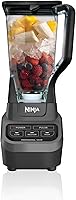
Are Ninja Blender Cups Dishwasher Safe?
Many Ninja blender cups are top-rack dishwasher safe, including the cups supplied with the BL660, BN301, and Ninja Fit. Follow your exact model's care instructions, and keep the motor base out of the dishwasher.
On this page (7 sections)
- Are Ninja blender cups dishwasher safe?
- Which Ninja blender suits your drinks and cleanup routine?
- How should you load Ninja cups, lids, and blades?
- Can Ninja blender cups go on the bottom rack?
- What should you do before and after blending?
- Is a Ninja blender motor base dishwasher safe?
- Which dishwasher-safe Ninja blender cup setup should you choose?
Many Ninja blender cups are top-rack dishwasher safe, including the cups supplied with the BL660, BN301, and Ninja Fit. Check the instructions for your exact model and part, and keep the motor base out of the dishwasher.
For daily use, the main choice is between washing a personal cup and washing a full pitcher. Buy around the drinks you make and the rack space you have, rather than choosing a larger blender just because its parts can go in the dishwasher.
Are Ninja blender cups dishwasher safe?
The supplied cups on the BL660, BN301, and Ninja Fit can go on the top rack. Their removable blade assemblies and included lids are also top-rack dishwasher safe.
That approval applies to those parts, not every cup with the Ninja name. Replacement cups, older accessories, and parts from another model need their own care check.
Find the model number on the appliance or its documentation, then match it to the manual. Ninja's product manuals and support can help when the original booklet is missing.
Dishwasher-safe also doesn't mean you can use any rack position or cycle. Follow the blender's care instructions and the dishwasher's guidance for plastic items, including any limits on heated drying.
Which Ninja blender cup dishwasher instructions should you follow?
Follow the instructions for the exact cup and matching blender model. A similar shape doesn't establish that a replacement cup fits your blade assembly or shares its washing instructions.
Before the first wash, check the cup, lid, and blade assembly separately. Don't remove seals or take apart a blade unit unless the manual specifically directs you to do so.
Which Ninja blender suits your drinks and cleanup routine?
Choose the BL660 for shared batches and personal drinks, the BN301 for a larger cup rotation, and the Ninja Fit for smaller single servings. The BN701 suits pitcher users who don't need included to-go cups.
All 4 offer dishwasher-safe removable parts, so capacity and the way you blend should drive the decision. Our best blender guide covers the broader choices if you're still deciding between a personal blender and a countertop pitcher.
BL660: for households that need a pitcher and cups
The BL660 combines a 72 oz pitcher with two 16 oz to-go cups. Its maximum liquid capacity is 64 oz, so don't treat the pitcher's full size as its liquid fill limit.
Choose it when you make a shared batch on weekends but want individual drinks during the week. Blend directly in a cup for one person, avoiding an extra pitcher to wash.
Its 1100-watt base offers 3 manual speeds, pulse control, and a dedicated single-serve function. Skip this set if you'll only use the cups, since the pitcher and separate blade assemblies add storage needs without helping that routine.
BN301: for a rotation of personal drinks
The BN301 is the strongest fit here for someone who wants 3 cups in rotation. A spare cup is useful when one is waiting for the next dishwasher load.
Its 900-peak-watt base uses push-to-blend control. You control the pulses rather than choosing a timed preset, which suits someone who wants to adjust the blend as ingredients move.
Choose it for individual smoothies and shakes, or skip it if you regularly serve several people from one batch. The 3 cups share one blade assembly, so rinse and clean that assembly between recipes.
See it on Amazon. Our best personal blender guide helps compare this style with other single-serving options.
Ninja Fit: for smaller servings and limited counter space
The Ninja Fit suits someone who wants a smaller drink and a narrow base. Its footprint is 4.3 by 4.3 inches, though you'll still need room to attach and remove the cup.
The 700-watt motor uses push-to-blend controls. Choose it for a simple shake or smoothie routine where you don't need a pitcher or timed programs.
Skip it if your usual recipe needs a larger serving container. Measure your normal ingredients before buying, and remember that the cup's marked fill limit takes priority over its stated size.
BN701: for shared batches with preset programs
The BN701 fits households that want pitcher blending with 3 Auto-iQ presets. It includes a pitcher rather than personal to-go cups.
Its 1400-peak-watt base runs programs that combine blending, pulsing, and pauses. The pitcher and stacked blade assembly are top-rack dishwasher safe; check the manual separately for lid care.
Choose it for shared frozen drinks and smoothies, and skip it if your main goal is blending directly into a travel cup. Our Ninja blender models guide explains the differences between these model types.
How should you load Ninja cups, lids, and blades?
Load approved parts separately, with room for water to reach them. A cup with its blade assembly still attached traps residue and blocks the surfaces that need washing.
Rinse thick leftovers soon after blending, especially around threads, spouts, and accessible lid grooves. Dried smoothie residue can need a gentle brush before the dishwasher cycle.
Place cups with their openings facing down, following the rack's design. Secure lightweight lids so they can't flip, fall through, or block a spray arm.
Handle blade assemblies by the safe grip areas described in the manual. Keep sharp edges away from your fingers and position them so you can unload without reaching blindly toward a blade.
Once the cycle ends, check for trapped food and pooled water before storing anything. Let the parts dry fully, then store sharp assemblies where nobody can grab the cutting edges by mistake.
Can Ninja blender cups go on the bottom rack?
Use the top rack for the cups covered here. Don't move them to the bottom rack just because the upper rack is full.
Check clearance before running the dishwasher, including whether the spray arms can turn freely. A tall cup wedged against another item can block water even when it technically fits.
If a cup or pitcher won't fit securely in its approved position, wash it by hand. Warm water, dish soap, and a soft bottle brush are useful for approved washable surfaces.
Avoid abrasive pads that can scratch plastic. A dishwasher cycle also won't repair cracks or damaged threads, so stop using a damaged cup and seek the correct replacement.
What should you do before and after blending?
Start with clean parts, a sound cup, and a correctly fitted blade assembly. Check for trapped food on the threads before attaching the assembly, and follow your model's ingredient order and fill limits.
Leave room for ingredients to move rather than packing the cup tightly. If a thick mixture stops circulating, stop the motor before adjusting it and follow the manual's guidance on adding liquid.
Don't use dishwasher safety as permission to blend hot ingredients. Read whether you can blend hot soup in a Ninja blender before trying a recipe that starts warm.
After blending, wait for the blades to stop before removing the container. Swap the blade assembly for the proper drinking or storage lid rather than leaving sharp parts attached to a finished drink.
For the full cleaning sequence, follow how to clean a Ninja blender. Prompt rinsing makes the later wash easier, especially if your dishwasher only runs once a day.
Is a Ninja blender motor base dishwasher safe?
The motor base must stay out of the dishwasher and sink. Unplug it before cleaning, then wipe it according to the manual without allowing water into electrical areas.
Keep the cord away from standing water, and dry the outside of washed parts before putting them back on the appliance. Never try to clear a blade or coupling while the blender is connected to power.
If the blender won't start after reassembly, check that the parts are fitted correctly. Our guide to why a Ninja blender may blink red covers that symptom.
Which dishwasher-safe Ninja blender cup setup should you choose?
Pick the BN301 for a rotation of personal cups or the Ninja Fit for smaller individual drinks. Choose the BL660 when you need both cups and a pitcher, and the BN701 when shared batches and presets matter most.
Before ordering, measure your usual serving and check your top rack's usable space. A dishwasher-safe Ninja blender cup only simplifies cleanup when it fits your recipe, your rack, and the way you use the blender.
Use our blender size guide to settle capacity, or browse guides and care for blenders for more upkeep topics.
Frequently asked questions
Can Ninja blender cups go in the dishwasher?
Many Ninja blender cups are top-rack dishwasher safe, including those supplied with the BL660, BN301, and Ninja Fit. Follow the manual for your exact cup and model, especially with replacement parts, and rinse away thick drink residue before loading so it doesn't dry around the rim.
Can I put Ninja blender lids in the dishwasher?
The supplied BL660, BN301, and Ninja Fit lids are top-rack dishwasher safe. Open any movable spout covers as the manual directs, clear food from accessible grooves, and secure lids so they cannot fall through the rack; check replacement lids separately before washing them with the original parts.
Can a Ninja blender blade assembly go in the dishwasher?
The BL660, BN301, Ninja Fit, and BN701 have top-rack dishwasher-safe blade assemblies. Follow the matching manual's loading instructions, handle sharp edges carefully, and position the assembly so you won't grab a blade when unloading; the electrical motor base must stay out of the dishwasher and sink.
Should I wash Ninja blender cups on the top or bottom rack?
Use the top rack for the cups covered here, following the blender manual and your dishwasher's loading guidance. Place each cup with its opening facing down and enough clearance for water to reach inside; if it won't fit securely, hand-wash it rather than moving it to an unapproved rack.